Loading article
Loading articles
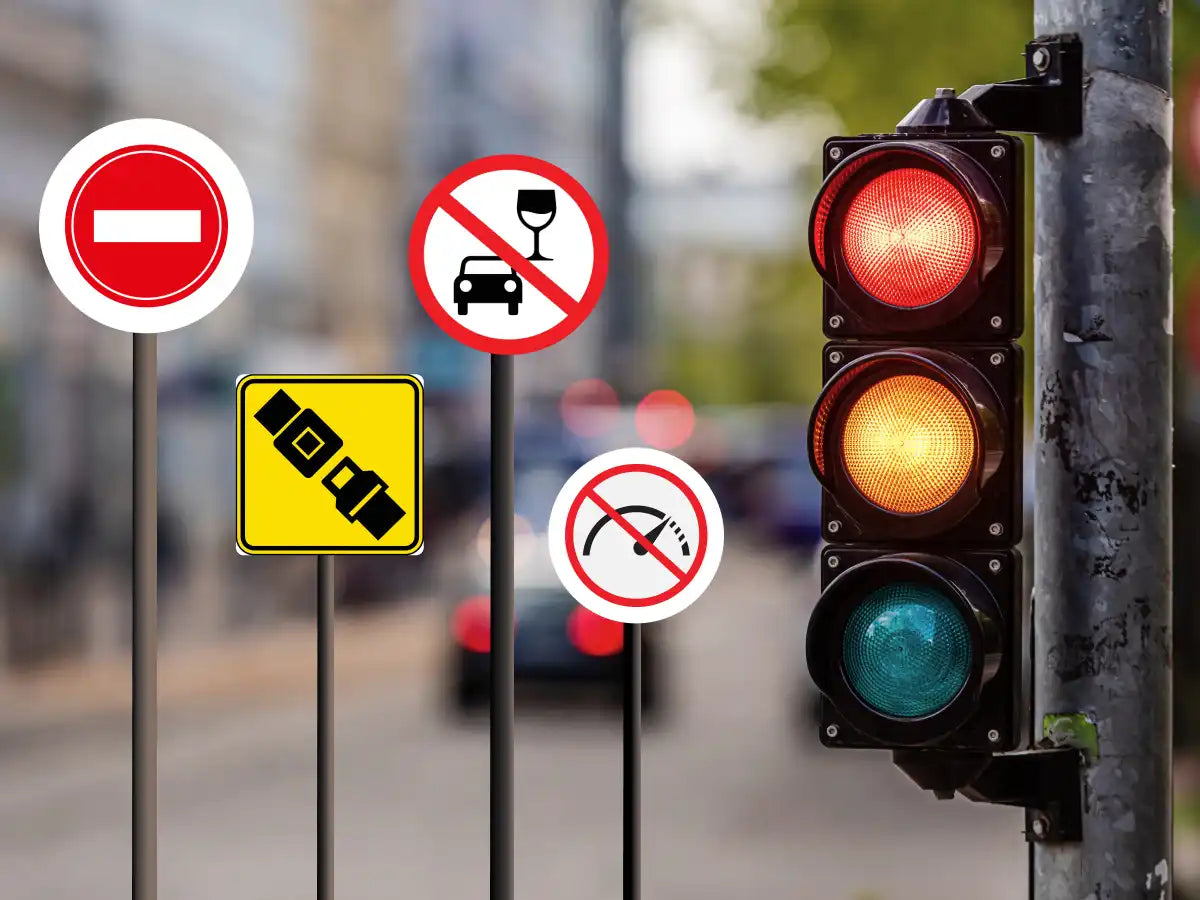
Traffic rules are designed to protect everyone on the road. Whether you drive a car, ride a motorcycle, cycle, or walk, following traffic regulations helps reduce accidents, improve traffic flow, and save lives. Understanding and obeying these rules is not just a legal responsibility—it's a commitment to road safety.
Every year, thousands of road accidents occur because of speeding, distracted driving, drunk driving, and failure to follow traffic signs. Traffic laws create a predictable environment where every road user knows what to expect.
Benefits of following traffic rules include:
Reduced risk of accidents
Better traffic flow
Protection for pedestrians and cyclists
Lower repair and medical costs
Safer communities
Seat belts significantly reduce the risk of serious injury or death during an accident. Ensure that every passenger is buckled up before driving.
Speed limits are set according to road conditions and surrounding environments. Driving faster than the posted limit reduces reaction time and increases stopping distance.
Alcohol and drugs impair judgment, coordination, and reaction time. Always arrange alternative transportation if you are impaired.
Traffic lights, stop signs, and road markings help organize traffic. Ignoring them can lead to dangerous collisions.
Texting or using a mobile phone while driving distracts your attention from the road. If necessary, pull over safely before using your device.
Always indicate before changing lanes or making turns so other road users can anticipate your movement.
Keep enough space between your vehicle and the one ahead to allow sufficient braking time in emergencies.
Pedestrians have the right of way at designated crossings. Slow down and stop when necessary.
Stay within your lane unless overtaking or turning. Avoid unnecessary lane changes.
Motorcyclists and passengers should always wear certified helmets to reduce the risk of head injuries.
Many road accidents are preventable. The most common causes include:
Overspeeding
Distracted driving
Drunk driving
Fatigue
Reckless overtaking
Ignoring traffic signals
Poor weather conditions
Vehicle maintenance issues
Practicing defensive driving can greatly improve road safety.
Stay alert at all times.
Check mirrors regularly.
Follow road signs carefully.
Keep your vehicle well maintained.
Drive according to weather conditions.
Avoid aggressive driving.
Plan your journey in advance.
Never drive when tired.
Traffic signs generally fall into three categories:
These inform drivers of laws and restrictions such as speed limits, stop signs, and no-entry zones.
These alert drivers to hazards ahead, including sharp turns, school zones, slippery roads, and construction areas.
These provide guidance regarding directions, distances, hospitals, parking, fuel stations, and other facilities.
Rain, fog, and snow require additional caution.
Reduce speed.
Increase following distance.
Turn on headlights when visibility is poor.
Avoid sudden braking.
Ensure tires have sufficient tread.
Responsible drivers should:
Carry valid driving documents.
Follow local traffic laws.
Respect other road users.
Avoid road rage.
Report dangerous road conditions when possible.
Road safety begins with individual responsibility. Following traffic rules protects not only yourself but also your passengers and everyone sharing the road. Safe driving habits contribute to fewer accidents, smoother traffic, and healthier communities. Whether you're a new driver or an experienced one, reviewing and following traffic rules regularly is one of the simplest ways to make roads safer.
Quick answers to the things readers ask most about this article.